Sep
25

Dogs are social, intelligent animals. They thrive on structure and consistency. When something in their environment feels off, they may act out. Misbehavior is often a signal, not simply disobedience. Recognizing the root cause is the first step toward change. Whether it’s boredom, stress, or lack of training, understanding why a dog behaves a certain way helps owners find practical solutions.
Excessive Barking
 One of the most common challenges for dog owners is nonstop barking. While barking is natural, it becomes a problem when it’s constant or disruptive. Dogs bark for many reasons. They may be alert to sounds, seeking attention, or showing anxiety. The solution is to identify the trigger. If boredom is the cause, more exercise and mental stimulation can help. Training commands like “quiet” and rewarding calm behavior also reduce noise over time. Patience and consistency are key.
Separation Anxiety
Separation anxiety occurs when a dog becomes distressed when left alone. Signs include whining, destructive chewing, or even attempts to escape. This issue can be heartbreaking for owners who want their pets to feel safe. The solution lies in gradual desensitization. Start by leaving the house for short periods and increase the time slowly. Providing toys or safe chew items can make being alone less stressful. In some cases, seeking advice from a trainer or veterinarian is the best way to ensure progress.
Aggression Toward Other Dogs
Aggression can show up as growling, snapping, or lunging at other dogs. Fear, limited social exposure, and territorial drives are common causes of this behavior. Socialization from a young age helps prevent this issue. For adult dogs already showing aggression, controlled exposure under supervision is necessary. Using positive reinforcement when the dog remains calm builds confidence and trust. In more severe cases, working with a professional trainer is of utmost importance. Safety for both the dog and others should always come first.
Destructive Chewing

Dogs chew to explore their world, relieve stress, or ease teething pain. But when chewing destroys furniture, shoes, or other valuables, it becomes frustrating. The key is not to punish but to redirect. Offering safe chew toys and rotating them keeps things interesting. Ensuring the dog gets enough exercise and playtime reduces destructive habits. Crate training, when used correctly, also provides a safe space where the dog cannot get into trouble when unsupervised.
Jump on People
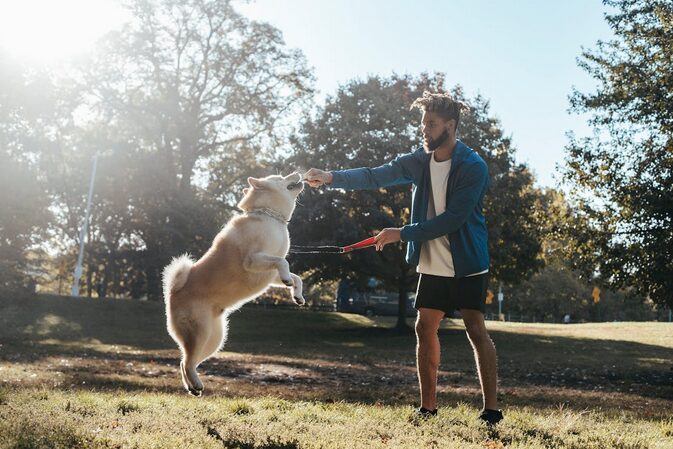
Many dogs greet people with excitement by jumping up. While it may seem harmless, it can be dangerous with children or older adults. Dogs jump because they want attention. The simplest way to stop this is to withhold attention until all four paws are on the ground. Calm greetings and rewarding the dog for sitting reinforce polite behavior. Consistency from everyone in the household ensures the habit is broken over time.
Fear-Based Behaviors
Some dogs struggle with fear of loud noises, new environments, or strangers. These behaviors may appear as trembling, hiding, or even aggression. Building trust is the foundation of solving fear-based issues. Exposure to the feared situation in …