
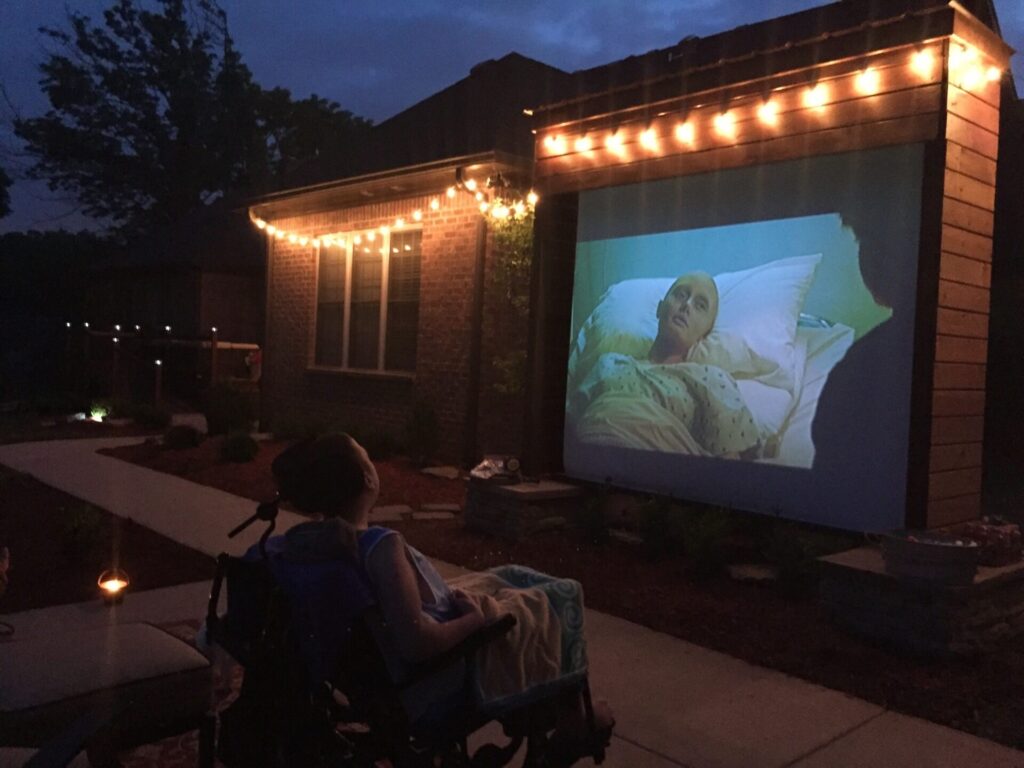
Best Outdoor Cinema Nights: Tips to Set Up a Movie Theater on Your Patio

Imagine a warm, relaxing summer night surrounded by friends and family, with stars twinkling above as you gather on your patio for an outdoor cinema experience. Setting up a movie theater in your own backyard can create unforgettable memories and moments of pure joy. There is always this special charm about watching a movie under the open sky, with the cool breeze and the smell of freshly popped popcorn in the air.

If you are thinking about hosting an outdoor cinema night, setting up your patio for a movie theater is easier than you think. With a little bit of elbow grease, transforming your outdoor space into a cozy and comfortable cinema experience is not that hard. So, let’s get started on how to set up a movie theater on your patio and make the most of those warm summer nights.

Create Comfortable Seating Arrangements

If you really want to make your outdoor cinema nights a memorable one, creating comfortable seating arrangements is the key, as it ensures that your guests can easily relax and enjoy the movie experience. Consider setting up cozy bean bags, floor cushions, or even outdoor lounge chairs for a laid-back vibe. Blankets and throws can add an extra layer of comfort, especially on cooler evenings. String lights or lanterns, as a bonus, can add a magical glow while also serving a practical purpose for visibility in the dark. Be sure you get all of these from a reputable seller. You can read more about that seller here.

Comfortable Seating

Get a High-Quality Outdoor Projector and Screen

When setting up an outdoor cinema on your patio, investing in a high-quality outdoor projector and screen is essential. The right equipment can make a significant difference in the overall viewing experience for you and your guests. Look for a projector that is specifically designed for outdoor use, with features such as high brightness levels and weather-resistant construction. This will ensure that your movie nights can go on uninterrupted, even if there’s some light rain or humidity in the air. Pairing it with a suitable screen that provides excellent picture quality and easy setup will further enhance the cinematic feel of your outdoor space. Consider factors like size, material, and portability when choosing the perfect screen to complement your projector.

Enhance the Ambiance With Outdoor Lighting

To truly elevate your outdoor cinema experience, there is no better way than to harness the power of outdoor lighting. Soft string lights draped around trees or along fences can create a magical ambiance that sets the perfect mood for movie night. Tiki torches or lanterns strategically placed can add a cozy glow while also keeping pesky bugs at bay. For a more modern touch, LED light strips lining the perimeter of your patio or deck can provide customizable color options to match the vibe of each film you’re watching. Don’t forget to dim any harsh overhead lights and let the soft outdoor lighting take center stage.

Use a Portable Speaker or Outdoor Sound System

A warm summer night, stars twinkling above, and the sound of your favorite movie playing on a high-quality outdoor projector are waiting. But wait – something’s missing. That’s right, the perfect audio experience to accompany your cinematic adventure. From crisp dialogue to booming sound effects, a good speaker can elevate your outdoor cinema night to new heights. Whether you opt for a compact Bluetooth speaker or invest in a more elaborate outdoor sound system, make sure it complements the visuals on the screen seamlessly.

Setting up an outdoor cinema night on your patio can be a fantastic way to enjoy movies under the stars with your loved ones. By following these tips and investing in the right equipment, you can create a memorable experience for everyone.

Related Post

Dog

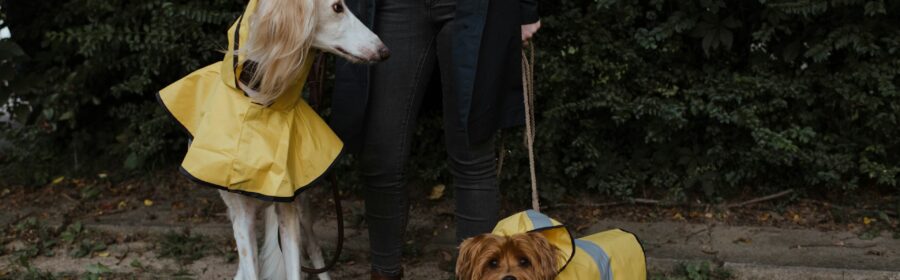
Do Dogs Really Need Raincoats? Benefits and Considerations

As the rainy season rolls in, you may find yourself questioning whether your dog really needs a raincoat. After all, dogs have fur to protect them, right? While it’s true that many dogs have coats designed to keep them warm and dry, not all dogs are equipped to handle wet weather. In fact, some breeds may struggle more than others in the rain. So, do dogs really need raincoats? Let’s explore the benefits of a Dog Raincoat, when they’re necessary, and what to consider before buying one for your pup.

Protecting Your Dog From the Elements

DogJust like humans, dogs can get cold, wet, and uncomfortable when exposed to rain for extended periods. While some dogs have thick coats that shed water, others have short, thin fur or no undercoat, making them more vulnerable to getting soaked. A raincoat can help protect your dog from the elements, keeping them dry and comfortable during rainy walks or outdoor activities. For smaller dogs, seniors, or dogs with thinner coats, a raincoat can be a great way to keep them warm and dry, reducing the chances of them getting chilled or uncomfortable in the rain. Even dogs with thick coats can benefit from a raincoat to prevent their fur from getting weighed down by water, which can make them colder or lead to skin irritation.


Preventing Mud and Dirt

Along with rain comes mud and puddles. A raincoat can serve as a barrier between your dog and the muck on the ground, helping to keep them cleaner during walks. Instead of coming home with a soggy, dirty dog covered in mud, a raincoat can minimize the mess and make post-walk cleanup easier. This is especially helpful if you have a dog who enjoys rolling around in puddles or getting into muddy areas!

Keeping Your Dog Dry During Short Walks

If your dog tends to be more of an indoor pup but still needs to go outside for bathroom breaks, a raincoat can make short outings much more comfortable. For dogs who won’t tolerate long walks in the rain, a raincoat can provide just enough protection to get them through a quick trip outside without getting drenched. This makes raincoats a great option for dogs who prefer to stay dry and warm during brief potty breaks.

Safety Considerations: Visibility in Low-Light Conditions

Rainy weather often comes with overcast skies and low visibility. A raincoat with reflective strips or bright colors can help increase your dog’s visibility when you’re out for a walk. This is particularly important if you’re walking your dog during early mornings or late evenings, as visibility is already limited. A raincoat with reflective elements ensures that your dog is seen by drivers and other pedestrians, enhancing safety during rainy outings.

Breed-Specific Considerations

While all dogs can benefit from a raincoat, some breeds are more suited for wet weather than others. For example, breeds like the Labrador Retriever, Newfoundlands, and Portuguese Water Dogs are known for their water-resistant coats and generally enjoy swimming and playing in the rain. These dogs may not need a raincoat because their coats naturally repel water and keep them comfortable. On the other hand, small dogs, elderly dogs, and short-haired breeds like Chihuahuas or Greyhounds may struggle more in wet weather. A raincoat can provide much-needed warmth and dryness for these dogs, helping them stay comfortable during rainy walks.


Comfort and Fit Are Key

Not all raincoats are created equal, and the right fit is crucial to ensure your dog’s comfort. A raincoat that’s too tight can restrict movement, while one that’s too loose can rub against their skin and cause irritation. Look for raincoats that are adjustable, easy to put on and take off, and designed for your dog’s body shape. Many dog raincoats feature velcro straps or snap buttons that make dressing your dog a breeze, while others have leg straps to keep the coat securely in place. Be sure to measure your dog’s neck, chest, and length before purchasing a raincoat, and choose one that fits comfortably without being too bulky or constricting.

In Conclusion

So, do dogs really need raincoats? It depends on your dog’s breed, coat type, and how comfortable they are in the rain. For many dogs, a raincoat can provide valuable protection from the elements, help keep them clean, and improve their comfort during wet weather. By considering your dog’s specific needs and choosing a raincoat that fits well, you can ensure that rainy walks are an enjoyable experience for both you and your furry friend. Stay dry, stay safe, and let your dog enjoy the outdoors, no matter the weather.

dog

Common Dog Behavioral Issues and How to Solve Them

Dogs are social, intelligent animals. They thrive on structure and consistency. When something in their environment feels off, they may act out. Misbehavior is often a signal, not simply disobedience. Recognizing the root cause is the first step toward change. Whether it’s boredom, stress, or lack of training, understanding why a dog behaves a certain way helps owners find practical solutions.

Excessive Barking

barking One of the most common challenges for dog owners is nonstop barking. While barking is natural, it becomes a problem when it’s constant or disruptive. Dogs bark for many reasons. They may be alert to sounds, seeking attention, or showing anxiety. The solution is to identify the trigger. If boredom is the cause, more exercise and mental stimulation can help. Training commands like “quiet” and rewarding calm behavior also reduce noise over time. Patience and consistency are key.
Separation Anxiety

Separation anxiety occurs when a dog becomes distressed when left alone. Signs include whining, destructive chewing, or even attempts to escape. This issue can be heartbreaking for owners who want their pets to feel safe. The solution lies in gradual desensitization. Start by leaving the house for short periods and increase the time slowly. Providing toys or safe chew items can make being alone less stressful. In some cases, seeking advice from a trainer or veterinarian is the best way to ensure progress.

Aggression Toward Other Dogs

Aggression can show up as growling, snapping, or lunging at other dogs. Fear, limited social exposure, and territorial drives are common causes of this behavior. Socialization from a young age helps prevent this issue. For adult dogs already showing aggression, controlled exposure under supervision is necessary. Using positive reinforcement when the dog remains calm builds confidence and trust. In more severe cases, working with a professional trainer is of utmost importance. Safety for both the dog and others should always come first.

Destructive Chewing

chewing

Dogs chew to explore their world, relieve stress, or ease teething pain. But when chewing destroys furniture, shoes, or other valuables, it becomes frustrating. The key is not to punish but to redirect. Offering safe chew toys and rotating them keeps things interesting. Ensuring the dog gets enough exercise and playtime reduces destructive habits. Crate training, when used correctly, also provides a safe space where the dog cannot get into trouble when unsupervised.

Jump on People

Many dogs greet people with excitement by jumping up. While it may seem harmless, it can be dangerous with children or older adults. Dogs jump because they want attention. The simplest way to stop this is to withhold attention until all four paws are on the ground. Calm greetings and rewarding the dog for sitting reinforce polite behavior. Consistency from everyone in the household ensures the habit is broken over time.

Fear-Based Behaviors

Some dogs struggle with fear of loud noises, new environments, or strangers. These behaviors may appear as trembling, hiding, or even aggression. Building trust is the foundation of solving fear-based issues. Exposure to the feared situation in small, manageable steps helps reduce anxiety. Pairing the experience with treats or play creates positive associations. Never force a dog into a situation it fears, as this can worsen the behavior. Professional help may be needed for severe cases, but with patience, most dogs can overcome their fears.

Leash Pulling

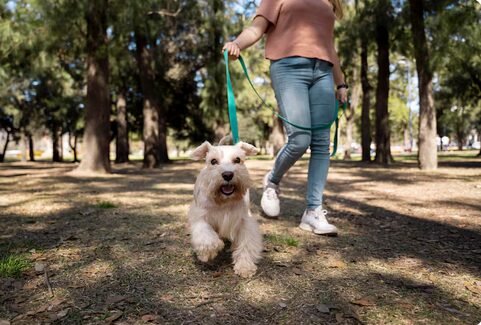
animalWalking a dog should be enjoyable, but leash pulling can turn it into a struggle. Dogs often pull because they walk faster than humans and want to explore. The solution is consistent training. Stopping immediately when the dog pulls teaches that forward movement happens only when the leash is loose. Rewarding the dog when it walks beside you encourages good habits. Using a harness designed to discourage pulling can also help during training. Over time, walks become more pleasant for both dog and owner.


At the heart of solving behavioral issues is the bond between owner and dog. Training, patience, and understanding go hand in hand. Each dog is unique, and what works for one may not work for another. Solutions require time and commitment, but the reward is a happier and healthier relationship. By addressing problems with empathy and structure, owners ensure their dogs thrive. A well-behaved dog isn’t just easier to live with. It’s also a more confident and content companion.

seabed

Coral Placement Tips for Optimal Health and Growth

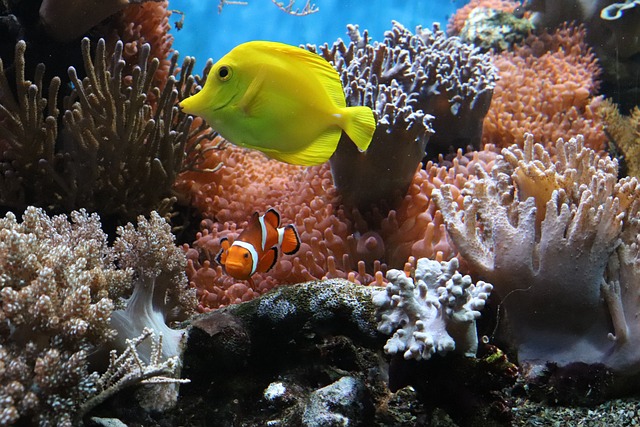
Just like any other living organism, corals require specific conditions to thrive. Reef aquarium expert and 2009 MASNA Aquarist of the Year Matt Pedersen explained in his 2016 Reef-A-Palooza seminar, “The Ultimate Guide to Reef Aquarium Chemistry,” that corals require stable and optimum conditions to grow and remain healthy. This includes providing the best led lighting for reef tank, water flow, and water chemistry. However, what many fellow reefers may not realize is that the placement of corals within the aquarium can also greatly affect their health and growth.

We might think that whatever looks great to us is also perfect for the coral, but this is not always the case. So, if you want your reef to thrive, keep reading. We’ll share some tips for optimal coral placement in your aquarium.

Consider Light Requirements

Consider Light RequirementsDifferent coral species have varying light requirements, so it’s more than just necessary to research or at least understand the specific needs of your corals. Some corals thrive in high-intensity light, while others prefer more subdued lighting conditions. When positioning your corals, consider factors such as the type of lighting fixtures you are using, their intensity, spectrum, and duration. Placing light-loving corals too close to powerful lights can lead to bleaching or tissue damage, while insufficient light may hinder photosynthesis and overall vitality. Regularly monitor the intensity and quality of light reaching your corals to ensure they are receiving adequate illumination for optimal growth. 
Ensure Proper Water Flow

Did you know that insufficient water movement can lead to stagnant areas where debris accumulates, potentially causing harm to coral colonies? To ensure optimal conditions, strategically place powerheads or wavemakers to create gentle currents throughout the tank.  Adequate water flow helps corals receive essential nutrients and oxygen while carrying away waste products. By simulating natural wave action, you mimic the ocean’s dynamic environment within your aquarium, promoting coral resilience and overall well-being. Additionally, proper circulation aids in preventing algae overgrowth by discouraging nutrient buildup in dead spots.

coral

Provide Space for Growth

When placing corals in your tank, you can’t forget to consider their potential size once fully grown. Some species can expand significantly over time, so allowing ample room between corals prevents overcrowding and competition for resources. In fact, insufficient spacing can lead to aggressive interactions among corals, causing stress and potential harm. By strategically arranging coral placements with enough distance between them, you promote better water circulation and light exposure throughout the tank. This not only supports the individual health of each coral but also contributes to the overall balance of the ecosystem. Furthermore, proper spacing enables easier maintenance tasks such as cleaning and fragging. 

Observe Compatibility and Stabilize Coral Placement

coralLast but not least, observing compatibility among different coral species is also something you can’t forget to ensure their overall health and growth. Some corals may release toxins or exhibit aggressive behavior towards neighboring corals, which can lead to stress or even death. Understanding the specific needs and unique behaviors of each coral type before placing them in close proximity can help prevent conflicts. Stabilizing coral placements involves ensuring that corals are securely attached to the substrate or live rock within the tank. Corals should be positioned in a way that minimizes movement caused by water flow or other external factors. By anchoring corals properly, you can prevent them from toppling over and causing damage to themselves or nearby inhabitants.

In optimizing coral placement within a reef tank, it is crucial to consider various factors such as light requirements, water flow, space for growth, compatibility with neighboring corals, and stabilization techniques. By carefully addressing these aspects, coral health and growth can be promoted effectively in a thriving aquatic environment.