

Related Post

May
18
Get out of Car Lease Early
Have you been wondering how you will get out of a car lease early? Well, then you must be lucky because in this article I will address some simple ways on how you can achieve your goals. However, Getting out of a car lease is not a walk in the park despite the availability of several options. Well, I know you have your reason as to why you want to get out of a car lease.
Possibly, you wish to purchase a new car, or you want relief from monthly payments. Therefore, you will need to acquaint yourself with a reliable firm that can help you exit your car lease without penalties. The penalties structure will prompt you to choose your exit method. Read on and find out.
Check If You Are Eligible
This is the primary step that you have to adhere to. This is essential because some car lease doesn’t allow transfer to another party. However, for those that would enable will require that you met their terms and conditions before the transfer. Additionally, mileage of your car may prevent you when you want to get out of a car lease early. Therefore by checking on your eligibility, you will be able
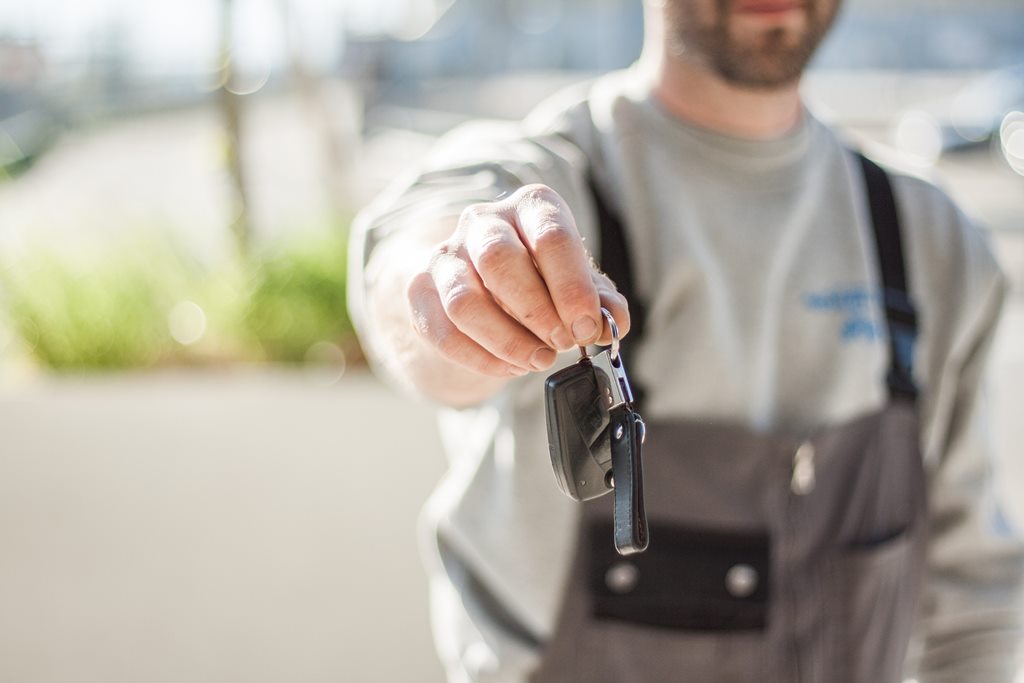
Create a Listing for Your Car
You will need to list your car by taking photos of its interior and exterior and give an accurate description. Such information will attract potential buyers who will be helpful in your bid to get out of a car lease early.
Offer Little Negotiation
In some cases, someone might ask to be given incentives, but once you offer lease freedom as per your agreement, it will favor you when transferring your lease to the other party. This is because monthly lease payments will no longer bind you. Additionally, you will also avoid early termination penalties.
Ask a Leasing Company to Help
There is some largest automotive lease marketplace like swap which can offer great assistance when you want to get out of car lease early. It is reliable, and it will make it quick and straightforward to find someone ready to assume your lease payments. Once you have identified such a firm, it is vital to check on your eligibility because there are thousands of people who are searching for a vehicle and you might be lucky.
Conclusion
I hope by now you have an idea on how you can get out of a car lease early. All you need is to follow the simple steps that I have provided in this article, and you will be good to go. It is vital to understand that your monthly lease payment is usually calculated from your car depreciation value. Therefore when you decide to end your car lease early, you might only be required to pay for some few penalties depending on your choice.
Having such background information, you can be able to make a wise decision which will favor you when getting out of the lease. Someone somewhere is searching for a vehicle which resembles yours. Act fast and get out of the car lease early.

No matter how luxurious and expensive a car is, even a sports car, it is still going to lose its best performance if you do not conduct routine inspection and maintenance. The battery will wear out, and the engine parts will become prone to damage. Components that do not receive proper lubrication can get corroded and degraded.
And there are two types of auto maintenance: one that you can do independently and manually, and the other that needs professional assistance. Let us discuss them further below.
Manual Maintenance
1. Start Your Car Every Morning and Let It Warm
 Starting the car every day can give you the benefit of an early alert just in case your car’s battery starts to wear out. It can save you from the trouble of getting your car jammed in the middle of a trip.
Letting your car in a stationary position while the engine is on allows the oil to lubricate all of the engine parts properly. New cars that are made later than 2010 might not need this routine, but if you are a fan of old cars, it is a necessity.
2. Cleaning the Air Filters
There are two filters in every car: the engine air filter and cabin filter. An engine air filter halts damaging debris and dust from contaminating the car’s system. Your engine needs oxygen to burn the fuel, and what is in the air is not only oxygen. And that is where an engine air-filter plays a significant role.
Cabin filter, on the other hand, protects the driver and the passengers from harmful materials from the outside. It is responsible for keeping the air inside the cabin clean and breathable.
To clean them, you need to disassemble the necessary parts and begin brushing. Make sure you wear a mask because you do not want to get sick from the accumulated dust on the filter.
3. Flushing the Radiator
A car’s cooling system holds the key to the engine’s performance. If your engine is overheated, it can fail and burn. And once the engine is damaged, you will need a considerable amount of money to repair the car.
All you need is to buy a cooling liquid/coolant and replace the old one. First, make sure you know where the drain plug is. Place a liquid container and flush the old coolant from the car’s system. Make sure that your car is cool and has not been ignited in the past two hours. If you unplug the drain while the engine is hot, you can hurt yourself. The coolant absorbs and stores the heat from the engine, and its temperature can be much higher than boiling water.
Maintenance with Professional Assistance
1. Fuel-Injection System Maintenance
Modern cars abandon the function of carburetors and use fuel-injection technology instead. This system allows more fuel efficiency than the carburetor version. And it uses a computer chip to regulate the fuel distribution for the engine. However, maintaining a fuel-injector requires specialized technical skills.
Once you notice something is strange with your car’s performance, you should check the fuel-injection system, especially if your car has been running for more than 500,000 km.
Another symptom of a damaged fuel-injector is abnormal gas use. When your car consumes gas more than it is supposed to be, you should check it to the nearest mechanic.
2. Exhaust and Emission Maintenance
 Although damage to a car’s exhaust is extremely rare, regular inspection is still necessary. By going to a professional mechanic and having him/her examine your car’s exhaust, subtle leaks can be easily detected. Carbon monoxide leakage is fatal to passengers, and the way to notice it is by conducting regular maintenance on the exhaust system.
Emission maintenance is a must for old cars. If you are a collector, you should know that the classic cars were made without a careful estimation of the emission.
Besides, exhaust and emission inspection these days are all computerized and precise. Improperly reassembled parts or human errors are least likely to happen because everything is calculated according to the machine.
Endnotes
Maintenance is vital to the engine’s longevity. And we can do some inspections and maintenance by ourselves, while for some others, we need professional assistance. Our rides are as valuable as our lives, especially if we claim ourselves as auto fans. So, there should be no reason for us to postpone or decline an inspection, repair, or replacement schedule.
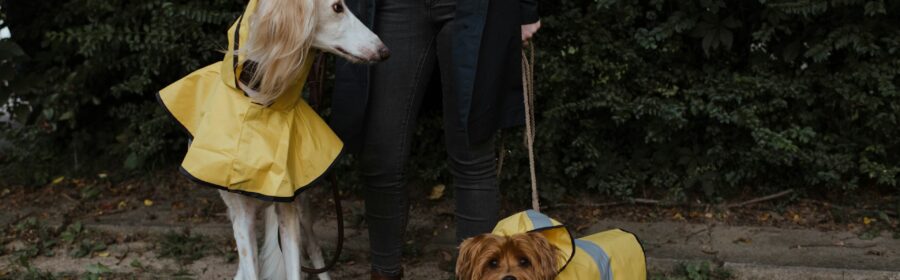
As the rainy season rolls in, you may find yourself questioning whether your dog really needs a raincoat. After all, dogs have fur to protect them, right? While it’s true that many dogs have coats designed to keep them warm and dry, not all dogs are equipped to handle wet weather. In fact, some breeds may struggle more than others in the rain. So, do dogs really need raincoats? Let’s explore the benefits of a Dog Raincoat, when they’re necessary, and what to consider before buying one for your pup.
Protecting Your Dog From the Elements
 Just like humans, dogs can get cold, wet, and uncomfortable when exposed to rain for extended periods. While some dogs have thick coats that shed water, others have short, thin fur or no undercoat, making them more vulnerable to getting soaked. A raincoat can help protect your dog from the elements, keeping them dry and comfortable during rainy walks or outdoor activities. For smaller dogs, seniors, or dogs with thinner coats, a raincoat can be a great way to keep them warm and dry, reducing the chances of them getting chilled or uncomfortable in the rain. Even dogs with thick coats can benefit from a raincoat to prevent their fur from getting weighed down by water, which can make them colder or lead to skin irritation.
Preventing Mud and Dirt
Along with rain comes mud and puddles. A raincoat can serve as a barrier between your dog and the muck on the ground, helping to keep them cleaner during walks. Instead of coming home with a soggy, dirty dog covered in mud, a raincoat can minimize the mess and make post-walk cleanup easier. This is especially helpful if you have a dog who enjoys rolling around in puddles or getting into muddy areas!
Keeping Your Dog Dry During Short Walks
If your dog tends to be more of an indoor pup but still needs to go outside for bathroom breaks, a raincoat can make short outings much more comfortable. For dogs who won’t tolerate long walks in the rain, a raincoat can provide just enough protection to get them through a quick trip outside without getting drenched. This makes raincoats a great option for dogs who prefer to stay dry and warm during brief potty breaks.
Safety Considerations: Visibility in Low-Light Conditions
Rainy weather often comes with overcast skies and low visibility. A raincoat with reflective strips or bright colors can help increase your dog’s visibility when you’re out for a walk. This is particularly important if you’re walking your dog during early mornings or late evenings, as visibility is already limited. A raincoat with reflective elements ensures that your dog is seen by drivers and other pedestrians, enhancing safety during rainy outings.
Breed-Specific Considerations
While all dogs can benefit from a raincoat, some breeds are more suited for wet weather than others. For example, breeds like the Labrador Retriever, Newfoundlands, and Portuguese Water Dogs are known for their water-resistant coats and generally enjoy swimming and playing in the rain. These dogs may not need a raincoat because their coats naturally repel water and keep them comfortable. On the other hand, small dogs, elderly dogs, and short-haired breeds like Chihuahuas or Greyhounds may struggle more in wet weather. A raincoat can provide much-needed warmth and dryness for these dogs, helping them stay comfortable during rainy walks.
Comfort and Fit Are Key
Not all raincoats are created equal, and the right fit is crucial to ensure your dog’s comfort. A raincoat that’s too tight can restrict movement, while one that’s too loose can rub against their skin and cause irritation. Look for raincoats that are adjustable, easy to put on and take off, and designed for your dog’s body shape. Many dog raincoats feature velcro straps or snap buttons that make dressing your dog a breeze, while others have leg straps to keep the coat securely in place. Be sure to measure your dog’s neck, chest, and length before purchasing a raincoat, and choose one that fits comfortably without being too bulky or constricting.
In Conclusion
So, do dogs really need raincoats? It depends on your dog’s breed, coat type, and how comfortable they are in the rain. For many dogs, a raincoat can provide valuable protection from the elements, help keep them clean, and improve their comfort during wet weather. By considering your dog’s specific needs and choosing a raincoat that fits well, you can ensure that rainy walks are an enjoyable experience for both you and your furry friend. Stay dry, stay safe, and let your dog enjoy the outdoors, no matter the weather.